

Jun 14, 2023

1858
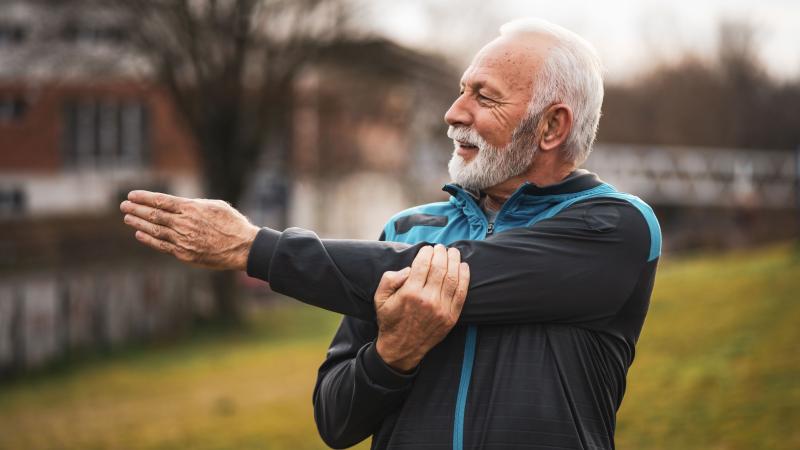

Concerned about joint pain increasing as the temperature outside decreases? There are steps people dealing with joint pain can take for relief – one of them literally being to take steps.
“Maintain a healthy active lifestyle, even in cold weather,” said Dr. William Doran, DO, FAAOS, who cares for patients at TidalHealth Orthopedics. “If you can't exercise because of weather or pain, range of motion exercises and stretching can be helpful.”
Courtney Caputo, PA-C, who works with Dr. Doran, said staying active doesn’t require a strenuous run or a contact team sport – a walk and stretching can fit the bill to improve mobility.
“Definitely keep it moving,” she said.
Dr. Doran said there are many hypotheses as to why people experience more joint pain in the cold or during adverse weather conditions.
One is a change in barometric pressure. When falling barometric pressure brings rain and storms, those with and without hardware in their bodies notice a difference, Caputo said.
“It’s common,” Caputo said. “People report that very frequently.”
In addition, cold weather impacts synovial fluid, which is found in joints.
“The synovial fluid becomes more viscous, therefore less slippery, which affects individuals with arthritis or unhealthy cartilage,” Dr. Doran said.
The link between weather and joint pain is strong enough that the Arthritis Foundation offers an Arthritis Index on its website based on the weather forecast for an area. Ratings range from 0-10 and estimate the risk of weather-related arthritis pain.
Staying inside and becoming less active during the colder months can also result in stiffening joints, Dr. Doran said.
In addition to exercise, Caputo said people can find relief for more severe pain by using ice and over-the-counter anti-inflammatory medicines. Some people also use a brace to manage the pain.
Weight management is also important, she said, because a higher weight places more stress on a person’s joints, especially the knees.
There are also times when it’s best to see a medical professional. Some examples of these incidences are locked-up knees, red-hot swollen joints, falls and injuries, Caputo said. In the winter, ice can be a factor in these falls.
If someone has joint pain and gentle exercise, stretching and medications haven’t helped, that’s another good reason to see a physician, Dr. Doran said.
3 min read
Joint replacement surgery is a life-changing procedure for individuals suffering from chronic joint pain and mobility limitations; however, some may feel apprehensive about undergoing surgery and choose to delay the procedure. Here, we'll explore the reasons why it’s crucial not to postpone joint replacement surgery.
5 min listen
Ever felt pain just from seeing someone else in pain? Tune in to learn more.
2 min read
Deborah Castelli chose William Doran, DO, FAAOS of TidalHealth Orthopedics for her hip replacement when she moved to Delaware in the summer of 2022. She was able to walk after the surgery and six weeks later was cleared to resume all of normal activities. Castelli highly recommends Dr. Doran for his care and warm demeanor and states she will not go anywhere else for any future replacements.