
Mar 21, 2025

466


Colorectal cancer is a deadly disease — but many Americans aren’t up-to-date on their screenings. And without these screenings, people may never see a symptom until it’s too late, or until the cancer is more difficult to treat.
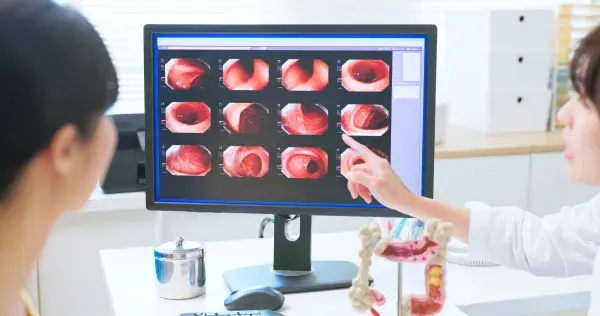
That’s why it’s so important for people to get colonoscopies.
Across the U.S. population, when looking at men and women combined, colorectal cancer is the second-leading cause of cancer death. For those under 50, it’s the leading cause, according to the American Cancer Society. The organization estimates 158,850 people will be diagnosed with colon or rectal cancer this year, and 55,230 people will die from this disease this year.
If you’re between the ages of 45 to 75, you should get a screening colonoscopy every 10 years; ask your practitioner for advice if you’re between the ages of 76 and 85. You may be eligible for a colonoscopy earlier, or potentially more often, if you have a family history or certain gastrointestinal symptoms.
However, there are often no symptoms in the early stages. If someone does have symptoms, they can include rectal bleeding, black and tarry stools, unexplained weight loss, fatigue and changes in the stool.
Not only can colonoscopies find colon cancer, but getting a colonoscopy is also the best thing people can do to prevent it. If a patient has a colonoscopy and polyps are found, these can be removed before they become cancer.
To help reduce their risk of colorectal cancer, people can:
There are also risk factors that people can’t change.
If you’re 45 or older and haven’t had a colonoscopy yet, or if you’ve been putting your next colonoscopy off, it’s a good time to make your appointment. Talk to your primary care practitioner about getting a colonoscopy, who can then refer you to TidalHealth Gastroenterology. If you don’t already have a primary care practitioner, you can find one here.
6 min read
This Colorectal Cancer Awareness Month, learn why you should get screened and whether you're eligible for a free test through a new health department program.
7 min listen
If you're 45 years or older, getting a colonoscopy to screen for colorectal cancer could save your life. In this episode, Dr. Taboo talks about this screening, what it can detect, and what to expect.
3 min read
Skin cancer is the most common form of cancer, and it can occur in people of all skin tones. Get to know the types of skin cancer and the symptoms so you can seek treatment early if it arises.