Feb 19, 2024

910


The holidays are a time for celebrating with family and friends, partaking in annual traditions, and enjoying lights and decorations. However, the holidays are also a time for heart attacks.
The last week of December is the week with the most heart attack deaths of the year, according to the American Heart Association.
It’s a busy time of year, but if heart attack symptoms come on, don’t ignore them or plan to deal with them later — even if you have a packed holiday schedule.
Jeanne Ruff, MS, ACSM-CEP-PD, FAACVPR, is senior executive director of the TidalHealth Guerrieri Heart & Vascular Institute, and she said she’s heard people say they don’t want to call 911 because they don’t want to disrupt the neighborhood with an ambulance.
TidalHealth’s physicians and emergency department team would rather someone come in and end up not having a heart attack than have someone not come in who really needed treatment, Ruff said.
“The importance is not to delay,” Ruff said.
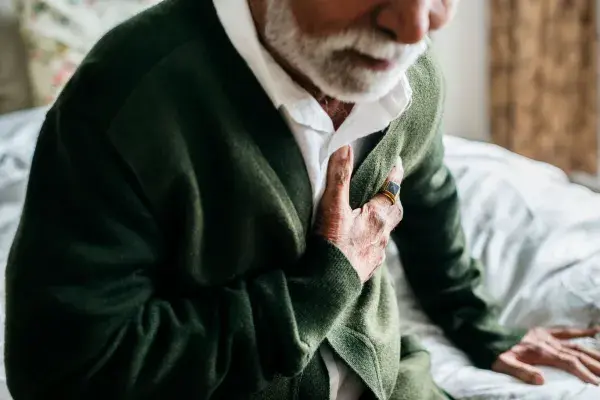
Warning signs of a heart attack, according to the American Heart Association, are:
Chest discomfort
Discomfort in other areas of the upper body
Shortness of breath
Other signs, such as breaking out in a cold sweat, nausea or lightheadedness
Women may experience different symptoms, including:
Shortness of breath (even without chest pain)
Nausea or vomiting
Back or jaw pain
Ruff said it’s important for people to form a relationship with their primary care provider and keep that person informed if they notice changes in their body. Follow the provider’s advice, including about vaccines and prescribed medications.
It’s also important to control blood pressure, weight, diabetes and cholesterol year-round to keep the heart healthy, Ruff said. And, be aware of family history and of any other cardiac-related issues.
She also said people should maintain their exercise routines during the holiday season, and when it comes to celebrating with food and drink, do that in moderation.
Though exercise is important, still be careful. Blood vessels constrict in the cold, which causes the heart to work harder, Ruff said. Also, shoveling can create problems for people who, for example, normally don’t exercise but then decide to shovel an entire driveway — shoveling is hard work. It’s important to breathe while lifting weights (such as a shovel full of snow) too, not hold your breath, Ruff said.
Ruff recommends wearing warm clothes, including a scarf around the mouth and nose; wearing non-skid boots or shoes; and planning to shovel a driveway in parts instead of all at once. Stay hydrated and be alert for shortness of breath and discomfort.
“If something feels unusual, don’t deny it,” she said.
If you already have heart attack risk factors, it might be better to skip shoveling all together and ask or hire someone else to do it.
Ruff said it’s also important for hunters to be aware of heart attack risks — there’s the adrenaline of seeing a deer, for example, and then the energy it takes to haul the animal. If hunters are not active during the rest of the year, she recommends working up to hunting season by walking or exercising at the gym.
Learn more about the TidalHealth Guerrieri Heart & Vascular Institute. Schedule an appointment for a free Heart Smart screening by calling 410-543-7026. See upcoming events.
3 min read
Many of us are guilty of “letting ourselves go” during the winter. Learn how to stay healthy this winter with proactive care and simple lifestyle changes.
2 min read
Know what signs to watch out for as it relates to women and heart attacks.
3 min read
Having a healthy heart could start with ensuring that your mind is healthy, too. A recent study presented at the American Heart Association’s Scientific Sessions suggests mental health conditions such as anxiety and depression can have negative effects on cardiovascular health.