

Sorry, you need to enable JavaScript to visit this website.
Skip to Main Content
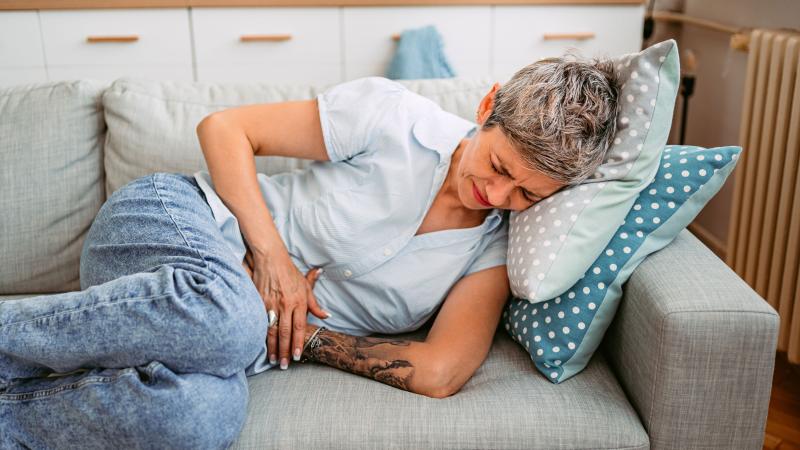
Uncomfortable woman laying on couch while clutching her stomach.

How are heart attack symptoms different in women?

Did you know heart attack symptoms can show up differently in men and women? Get the facts about women and heart attacks.

Signs of heart attack in women

Cardiovascular disease is the No. 1 killer of women over the age of 25 in the U.S., killing nearly twice as many women as cancer. Only 13% of women think heart disease is a serious threat to their health. 


Typical signs of a heart attack include:

  • Discomfort, tightness, pressure, fullness, squeezing in the center of the chest
  • Crushing chest pain
  • Pressure or pain that spreads to the shoulders, neck, upper back, jaw or arms
  • Dizziness
  • Nausea
  • Clammy sweats
  • Heart flutters
  • Paleness
  • Unexplained fleeing of anxiety
  • Stomach/abdominal pain or indigestion
  • Shortness of breath

These symptoms are experienced by men. Women do not show these same symptoms.

  • Back pain
  • Nausea
  • Overwhelming fatigue
  • Dizziness

The top five symptoms reported by women are:

  • Fatigue
  • Trouble sleeping
  • Shortness of breath
  • Indigestion
  • Anxiety

Often, women are too busy to notice their symptoms or just chalk them up to stress. Quick treatment is very important when having a heart attack, and most people (men and women) delay seeking help for two hours. Women coming into the hospital for a heart attack have a higher death rate and higher risk of complications.

Prevention of heart disease

    Know your numbers: 

    • Total cholesterol: less than 200 mg
    • LDL: less than 100 mg
    • HDL: 50 mg or higher
    • Triglycerides: less than 150mg
    • Blood pressure: less than 120/80
    • Fasting glucose: less than 100
    • BMI: less than 25
    • Waist circumference: less than 35 inches

    Additional recommendations: 

    • Do not smoke or use tobacco.
    • Get plenty of exercise — at least 30 minutes most days (more if needing to lose weight).
    • Eat a heart healthy diet — fruits, vegetables, grains, low fat or nonfat dairy, fish, legumes, protein low in saturated fat.
    • Maintain a healthy weight.
    • Get checked and treated for depression if needed.
    • Consult with your doctor about certain supplements or medications that might be helpful. 
    If you are having symptoms, call 911 within five minutes. and some recommend chewing a full-strength aspirin.
    262
    Profile picture for user brandcenter
    Get Well Delmarva
    Team
    Contributing Author
    Get Well Delmarva is your source for valuable health and wellness tips and information to help you lead a healthier and happier life. From nutrition and fitness to mental health and stress management,...

    Subscribe to Get Well Delmarva — your source for expert health and wellness information.

    elf on a shelf image