
Feb 26, 2026

244

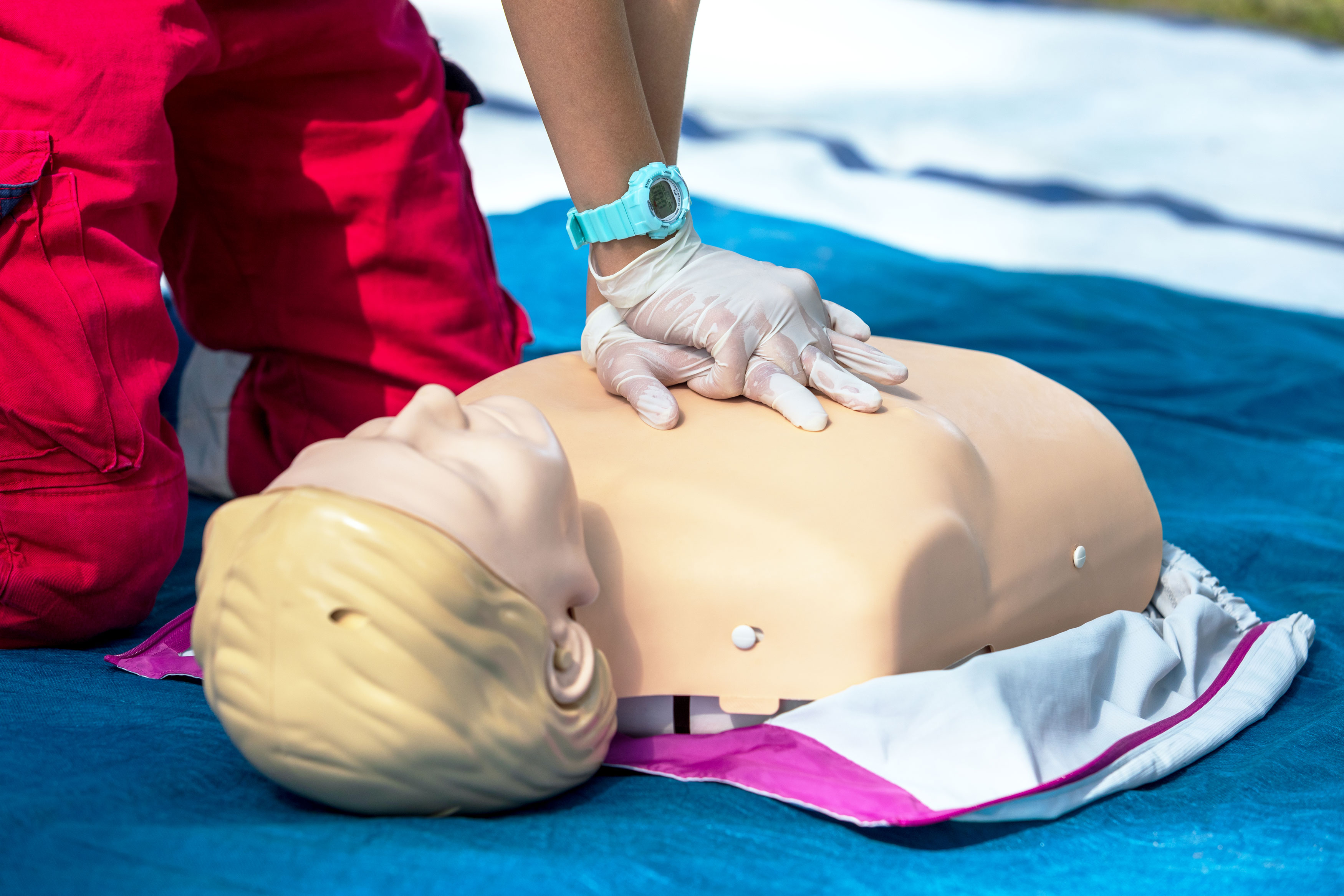
When someone has a bleeding emergency, every second counts. Stop the Bleed training allows everyday people of all ages to learn to save a life if they’re the first on scene.
Two classes are coming up at TidalHealth Peninsula Regional in Salisbury, at 1 and 2 pm Wednesday, May 20, during National STOP THE BLEED® Month.
“The only thing more tragic than a life lost is a loss that could have been prevented,” said Douglas Walters, RN, CRT, EMS nurse liaison at TidalHealth Peninsula Regional.
That’s one of the slogans that’s part of the Stop the Bleed training, he said. If severe bleeding is not controlled, a person can die within five to 10 minutes, according to the R Adams Cowley Shock Trauma Center’s Stop the Bleed information page.
Walters teaches Stop the Bleed classes, and he’s taught a wide range of ages — from first graders to 90-year-olds.
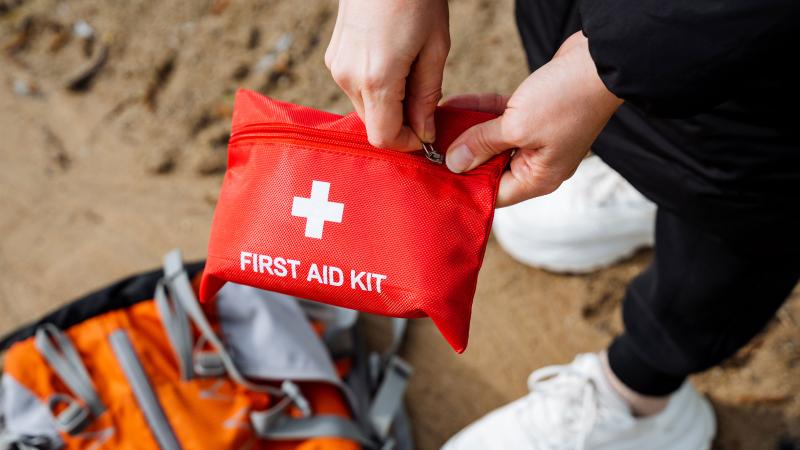
In the class, people learn how to recognize life-threatening bleeding. They’ll learn to control hemorrhage and bleeding with direct pressure, packing a wound and applying tourniquets. Participants receive a Stop the Bleed kit, with a tourniquet, gloves and gauze, to take home. No prior medical training is required to participate.
The types of bleeding injuries the team sees at TidalHealth Peninsula Regional that could potentially be controlled at the scene include lacerations that come from working in a shop, yard or kitchen; motor vehicle collisions; and boating injuries, Walters said. People may even be able to perform some of the Stop the Bleed techniques on themselves; for example, applying direct pressure to a kitchen knife injury.
Chris Snyder, DO, chief quality officer at TidalHealth, said when people have serious bleeding, the pressure needs to be enough to compress the artery or vein. Injuries to arteries spurt and bleed rapidly, while venous injuries ooze.
“Be bold and compress,” he said. “It may just save a life.”
He also said pressure usually takes 10 minutes to stop bleeding, but at least 30 minutes if the person is on aspirin or anticoagulation medicines, he said. If a tourniquet is used, it can do damage if it’s on too long, so ensure the emergency services personnel are on their way.
It’s crucial to call 911 in an emergency. Since much of Delmarva is quite rural, residents may be further from EMS than they would in a major metro area. The skills people learn in Stop the Bleed classes allow for everyday people to fill in before emergency personnel arrive.
“Anyone can learn this, anyone can do this and they’re just techniques that can be applied to help prevent death,” Walters said.
Date: Classes at 1 and 2 pm May 20, 2026
Location: TidalHealth Peninsula Regional, 100 E. Carroll St., Salisbury, MD 21801; Hallowell A (located downstairs, enter through the Frank B. Hanna Main Entrance
Cost: Free
Registration: Registration is required. Register here.
To request a Stop the Bleed class, fill out this form.
7 min listen
If you're 45 years or older, getting a colonoscopy to screen for colorectal cancer could save your life. In this episode, Dr. Taboo talks about this screening, what it can detect, and what to expect.
3 min read
Even if you've never smoked, you could still develop lung cancer. Read on to learn about some lung cancer risk factors during Lung Cancer Awareness Month.
4 min read
Would you be able to recognize a stroke? Learn the signs and information about stroke prevention this American Stroke Month.