

Aug 7, 2026
273
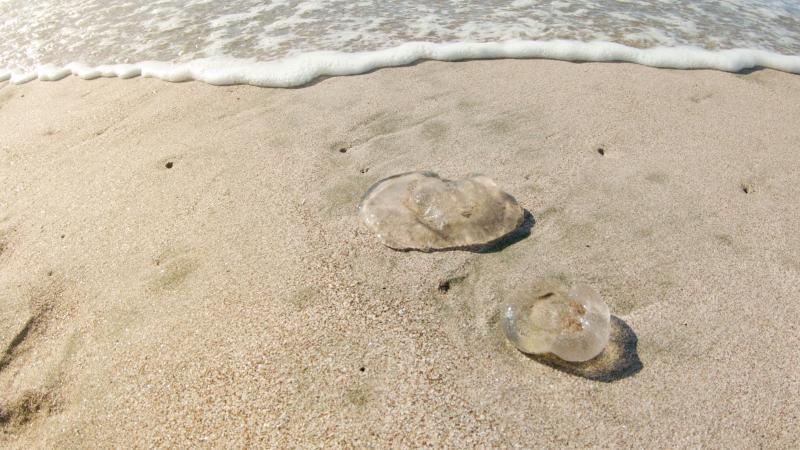

There are always things to be aware of at the beach — staying protected from the sun and rip currents, for example — but this year, jellyfish have been a big concern.
Gina Gelinas, CRNP, who cares for patients at TidalHealth Urgent Care, said this year, the jellyfish came a little early and stayed longer than they usually do. They like the salinity of the water, as it hasn’t rained a lot this year, she said.
The type of jellyfish on Delmarva is called bay nettles, Gelinas said, and they can be found in both the ocean and bay. Their sting is not deadly or poisonous, but if someone does get stung, their body’s immune system has a reaction to something unfamiliar in the body and creates a histamine response, she said.
Jellyfish create a flat red mark on a person’s skin that itches and burns, with some having more of a systemic reaction, Gelinas said. Because the sting happens when jellyfish are passing by a person rather than an attack, it’s even possible for someone to be “stung” by a loose tentacle that’s fallen off in the waves, she said.
"If you get stung by one, you don’t have to panic,” Gelinas said.
Gelinas said there are things people can do if they get stung to potentially decrease the reaction:
“If you start rubbing it, it’s going to release more venom into your skin,” Gelinas said.
While there’s a longtime rumor that urinating on a jellyfish sting can help, it actually doesn’t. Gelinas said urine is primarily water — and fresh water makes jellyfish stings worse.
For those unsure about going in the water, Gelinas recommends asking a lifeguard about jellyfish conditions. People can also expect they are likely to get stung, and bring a bottle of vinegar with them to the beach as a precaution.
Gelinas said medicines like Benadryl work to reverse a histamine response in the body, while steroid creams, like cortisone creams, help with pain and swelling. Usually, patients feel impacted by a jellyfish sting for two to three days.
For many, getting stung by a jellyfish is something unfamiliar, and patients are afraid. Reasons to seek medical attention could be a spreading or worsening reaction, the need for a prescription medication — or just if you want a professional’s advice or reassurance.
“Seek medical attention if you are concerned,” Gelinas said.
If you’re visiting the beach, TidalHealth Urgent Care has a convenient location at 1001 Philadelphia Ave. in Ocean City. Hours are Monday through Friday from 8 am to 8 pm and Saturday and Sunday from 8 am to 6 pm.
To learn more about TidalHealth Urgent Care and its other locations, visit tidalhealth.org.
5 min read
Physicians from the TidalHealth Family Medicine Residency Clinic share back-to-school advice and information.
1 min read
Beach patrols in our area and reporting sightings of jellyfish earlier than normal this year. If you’re headed to the beach, we have some tips to keep mind in case you have a close encounter.
2 min read
If you haven't visited the doctor lately, it's not too late to get on a healthy journey. Dr. Danielle Giddins shares what to expect.